Start with the basics — measuring, marking and setting out
Before you cut a single tile, you need to set out the room properly. A reliable spirit level is the tool you’ll reach for most in this stage — get the setting-out wrong and every tile after it is wrong too.
Stabila Spirit Level
A genuine Stabila level for accurate setting-out from the first line you strike.


Cutting tools — where the trade really starts
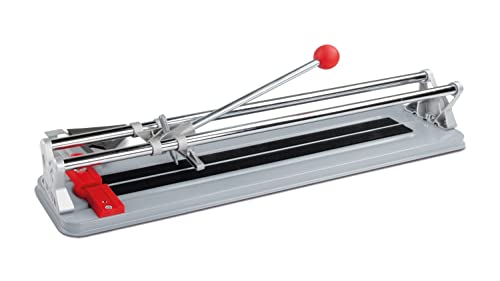
Manual tile cutter
A manual score-and-snap cutter from Sigma, Rubi or Montolit handles the vast majority of straight cuts a first-year tiler will make, and it’s the tool worth buying properly from day one.
Rubi 24984 Manual Tile Cutter
A genuine Rubi manual cutter, the core cutting tool for a first-year tiler’s kit.
- Manual score-and-snap cutter
Tile nippers and a hand cutter
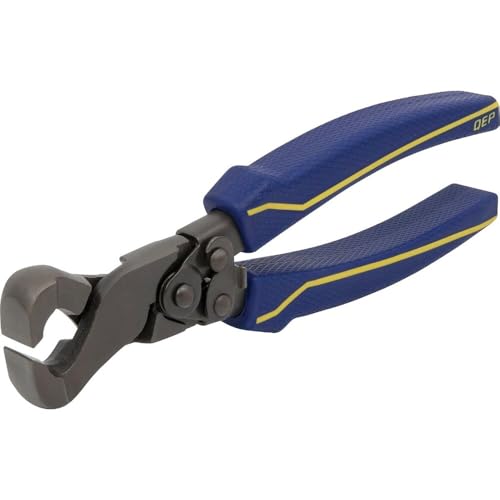
For notches and curves the manual cutter can’t handle, a good pair of compound-action nippers earns its place in the bag straight away.
QEP 9″ Compound Tile Nipper
A well-reviewed compound-action nipper for cutting notches and curves around pipes and fittings.
- 9-inch compound action jaws
What about a wet cutter?
Leave it for year one. A manual cutter and a good pair of nippers cover almost everything a beginner will face — save the electric wet cutter for when porcelain or large-format work becomes a regular part of the job.
Spreading and fixing — trowels and the messy end
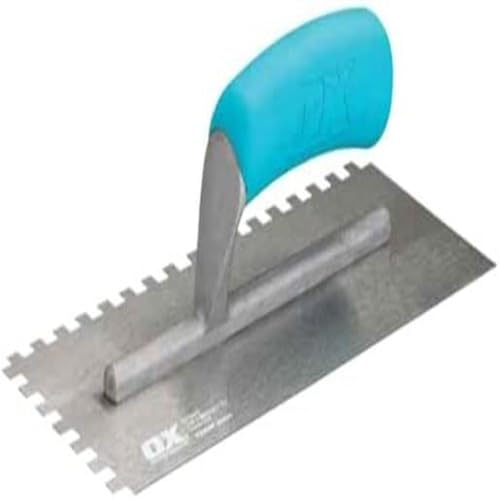
A notched trowel sized to the tile and adhesive you’re using is the difference between a flat, well-bonded floor and one that hollows out in six months.
OX Trade Notched Stainless Steel Tiling Trowel, 6mm
A genuine trade-grade notched trowel — a 6mm notch covers most standard wall and floor adhesive beds, with a second, larger notch worth adding once you’re regularly laying bigger format tiles.
- 6mm notch, stainless steel blade
Levelling, spacing and finishing
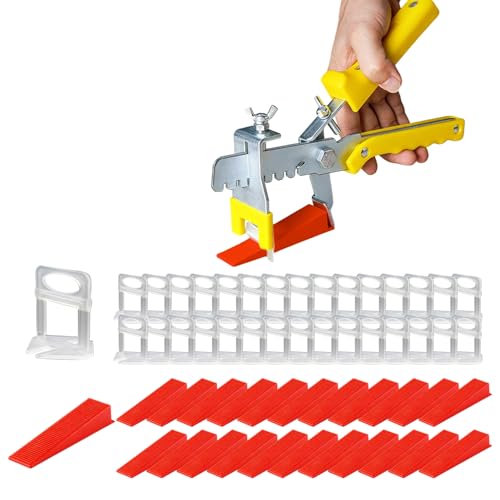
A tile levelling system is cheap relative to the time it saves and the lippage it prevents, especially on large-format tiles where uneven edges show immediately. Once the tiles are set, a proper grout float finishes the job cleanly.
500pc Tile Levelling System Kit, 2mm Clips + Wedges
A genuine levelling system for keeping large-format tiles flush as they set.
- 500-piece kit, 2mm clips and wedges
OX Pro Soft Grip Grout Float, 100x240mm
A genuine rubber grout float for a clean, even finish once the levelling clips come off.
- 100x240mm soft rubber face

Safety kit — not optional
Tiling means hours on your knees and regular exposure to cutting dust — don’t skip the basics here to save a few pounds.
NoCry Professional Knee Pads
A genuine, well-reviewed pair of knee pads that make a full day on the floor manageable.
- Gel-cushioned, adjustable straps

JSP M632 FFP3 Valved Dust Mask, 10 Pack
Genuine FFP3-rated masks for cutting dust — a pack in the van means there’s never an excuse to skip one.
- FFP3 valved, pack of 10

What to skip in year one
An electric wet cutter, a laser level and a full second trowel set can all wait. None of them change whether the tiling is good or bad in year one — technique does that, not kit.
Roughly what to budget
Two to four hundred pounds covers everything above with room to spare.
Frequently Asked Questions
Do I need an electric wet cutter to start tiling?
No. A manual cutter handles the vast majority of straight cuts a first-year tiler will make; save the wet cutter for when porcelain or large-format work becomes a regular part of the job.
What notched trowel size should a beginner buy first?
A 6mm notch covers most standard wall and floor tile adhesive beds — buy a second, larger notch only once you’re regularly laying bigger format tiles.
Are tile levelling systems worth it for a first-year?
Yes — they’re cheap relative to the time they save and the lippage they prevent, especially on large-format tiles where uneven edges show immediately.
How much should I spend on my first tiling kit?
Two to four hundred pounds is a realistic range for genuine trade-grade tools across cutting, spreading, levelling and safety kit.
The bottom line
Buy the cutting and spreading tools in trade grade from day one — they’re used on every job and cheap tools slow you down. Save the specialist and powered kit for once the work volume justifies it.
More Reviews Here..
- Best Plate Compactor UK
- Working at Height UK Trade Guide
- Best Scaffold Tower UK
- Werner vs Zarges Trade Ladders Compared
Related reading