First Year Builder Tool Kit — What You Actually Need

There’s a lot of well-meaning advice flying around about what a first-year builder needs in their tool bag. Most of it comes from manufacturer marketing or from people who finished their apprenticeship a decade ago and have forgotten what’s actually on the lorry. This is the honest version — the stuff a UK building apprentice or new labourer will reach for in their first six months on site, where to buy it, and roughly what you should expect to pay in 2026.

The headline number: a sensible first-year builder kit costs about £350–£500 all in if you buy carefully. You can spend three times that and you don’t need to. Buying second-hand for the heavier hand tools (mash hammer, club hammer, brick bolster) is fine if you check them. Buying second-hand for power tools is risky unless you know what you’re looking at — battery condition is hard to assess from a photo on Facebook Marketplace.

All prices below are approximate UK retail at the time of writing and based on Screwfix, Toolstation, Amazon UK and the trade-counter chains.

The honest first-year builder kit at a glance

If you’re starting on Monday and you have £400 to spend, this is the kit that will get you through your first three months without looking unprepared. Each item is detailed below.

Hand tools (~£140): claw hammer, club hammer, brick trowel, brick bolster, brick line and pins, 8m tape, retractable knife, 600mm level, combination square, pencil, chalk line, builder’s bucket, builder’s pouch.

PPE (~£140): steel/composite-toe boots, hi-vis vest, hard hat, safety glasses, ear defenders, knee pads, work gloves, dust mask FFP3.

Storage (~£35): a proper builder’s bag or open-top tote and a small site bag for the small valuable bits.

Power tools (~£170): one combi drill kit on the platform your gaffer’s site uses (most likely DeWalt 18V XR, Makita LXT or Erbauer EXT). Don’t buy a second power tool yet.

The hand tools that actually earn their keep

Don’t buy the 142-piece kit from a discount chain. Buy fewer, better, individually. Here’s what you’ll reach for every single day.

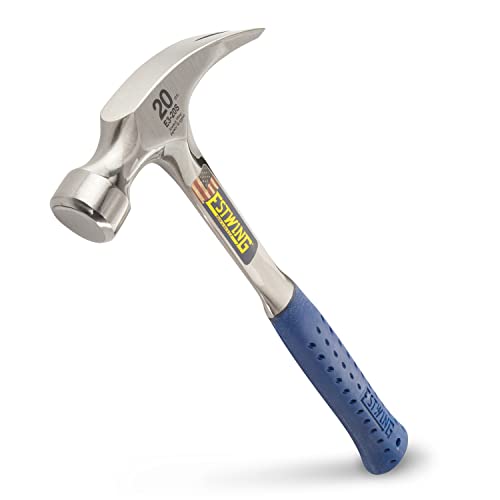
Claw hammer — Estwing E3-20S or Stanley FatMax AntiVibe

Price: £35–£48

The Estwing E3-20S is the one most second-year apprentices will tell you to buy. One-piece forged steel, leather grip, 20oz head — the right weight for general site work without being so heavy you can’t swing it all day. The shock-absorbing grip on the Stanley FatMax AntiVibe is gentler if you’ve got wrist issues but the leather Estwing handle ages better and lasts longer. Both are stocked at Screwfix and Toolstation. Avoid the £6 mystery hammers — the heads come loose and a flying claw hammer head is exactly the kind of thing that ruins a good day.

Club hammer — Stanley FatMax 1.25kg or Roughneck Gorilla

Price: £14–£22

A 1.25kg (2.75lb) club hammer is the right size for the bolster and chisel work you’ll be doing in your first year. The Stanley FatMax has a fibreglass shaft and a rubber grip that doesn’t slip when wet. The Roughneck Gorilla is the trade favourite and is stocked at Toolstation. Don’t go heavier — a 4lb lump hammer is a specialist tool and you’ll wreck your wrist using it for general work.

Stanley 1-56-001 Fatmax Anti Vibe Lump/Club Hammer 3lb - STA156001 Club Hammer Single
  • This lump/club hammer has been designed with a one-piece forged construction for strength and durability.
  • The patented anti-vibe technology reduces vibration transmitted to wrist and elbow.
  • Ideal for use in confined work areas with little room for a full arc-swing.
  • The wide face makes it ideal for striking chisels and punches.
  • Head Weight: 1.3kg (3lb

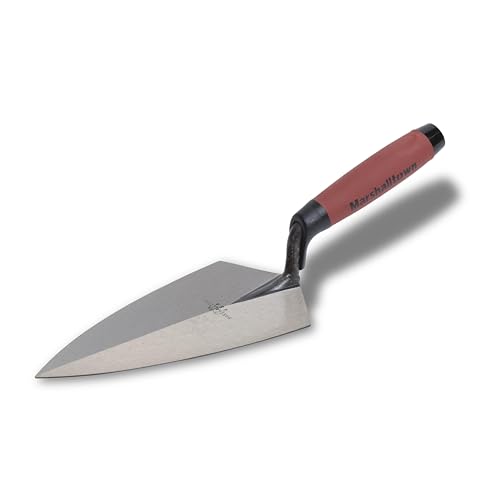
Brick trowel — WHS Tyzack 11″ or Marshalltown 11″ London Pattern

Price: £45–£60

If you’re going to be laying or pointing, a proper brick trowel is non-negotiable. The WHS Tyzack is the British classic — Sheffield-made, well-balanced, and comes in either London or Philadelphia pattern. London is the standard for UK work. Marshalltown is the American import most younger UK bricklayers buy and the build quality is genuinely top of the game. 11 inches is the right blade length for general use. A 13″ is faster on long runs but heavier on the wrist. Both available at Screwfix, Toolstation and the specialist masonry suppliers.

Sale
MARSHALLTOWN Philadelphia Brick Trowel, 254 x 127 mm Masonry Tool, DuraSoft Handle, Made in The USA, 19 10FG Single
  • MARSHALLTOWN Brick Trowels offer professional-grade quality to help you complete all functional or decorative brick, block, and stonework
  • Each Philadelphia Brick Trowel is forged from a single piece of high carbon steel and polished to perfection for a clean finish to any job.The blade is taper ground and heat treated for strength and durability
  • Lengths range from 25.4 to 33.02 cm (10 to 13 inches), and widths range from 12.07 to 13.65 cm (4-3/4 to 5-3/8 inches)
  • Multiple Handle Options: Choose soft grip DuraSoft for comfort, grippy DuraCork for control, durable plastic for easy cleanup, classic wood for a traditional feel, or high-quality leather for a secure, premium grip
  • All MARSHALLTOWN Philadelphia Brick Trowels are Made in the USA with Global Materials

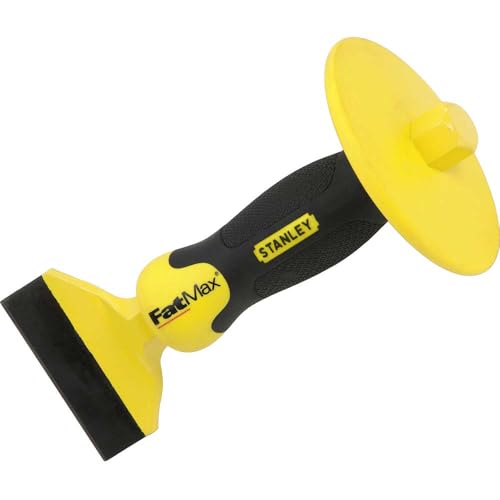
Brick bolster — 4″ Stanley or Spear & Jackson

Price: £15–£22

A 4-inch bolster (sometimes called a brick chisel) is what you use with the club hammer to cut bricks, knock out old mortar and chase out small holes. The Stanley 18-329 is the standard at Screwfix; the Spear & Jackson at Toolstation. Make sure you also get a hand guard — the £4 rubber knuckle protector is the cheapest insurance you’ll ever buy.

STANLEY FATMAX 4x8/2" Steel Brick Bolster with Guard, 4-18-0328 100mm (4in)
    • The brick bolster is used for cutting or shaping bricks and blocks in the construction industry
    • Increased strength and durability
    • Material: chrome vanadium steel

Tape measure — Stanley FatMax 8m or Komelon Powerblade II 8m

Price: £14–£25

8 metres is the right length for general building work. The Stanley FatMax is the trade standard — long standout (the distance the blade extends before bending), wide blade, durable case. The Komelon Powerblade II has a slightly stiffer blade if you’d rather have the standout than the case durability. Avoid 5m tapes (too short for site work) and 10m tapes (heavy in the pouch all day). Both stocked at Screwfix, Toolstation and Amazon UK.

Sale
STANLEY FATMAX 8m/26' Tape Measure, Blade Armour Coating, 3.3m Standout, 0-33-726 8 m Single
  • Huge standout of 3.35 mm for easy one person measuring
  • Mylar coated blade is up to 10 times more resistant to abrasion than normal lacquered blades
  • Blade Armor coating on the first 100mm reduces the risk of breaking the tape by 95%
  • Wide 32mm blade makes reading the numbers easy
  • 3 Rivet end hook - 40% stronger than a 2 rivet hook construction

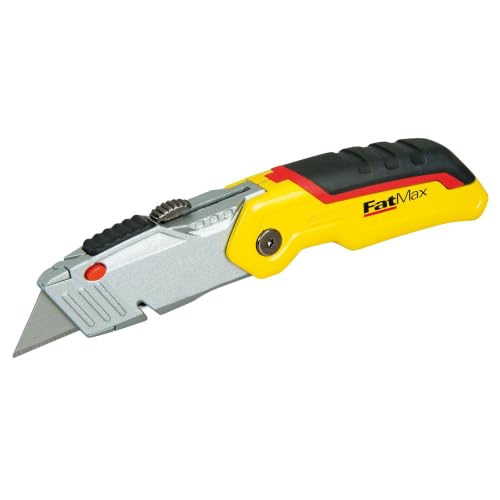
Retractable knife — Stanley FatMax 99E or Olfa SVR-2

Price: £8–£15

Every builder needs a knife in their pouch. The Stanley 99E is the classic. The Olfa SVR-2 is the modern alternative — auto-locking slide, snap-off blades — and is what a lot of younger tradespeople buy. Either is fine. Buy a pack of 100 spare blades at the same time. Trying to cut insulation board with a dull blade is how people slice their own thumbs.

Sale
STANLEY FATMAX Folding Retractable Knife, Compact and Ergonomic Design, Instant Blade Change, Internal Blade Storage, 0-10-825
  • TRUSTED TO GET THE JOB DONE: Whether you're a professional tradesperson or a DIY enthusiast, the STANLEY FATMAX Folding Retractable Blade Utility Knife with 3 Blades can be trusted to get the job done properly and with the most professional of results.
  • FOLDING DESIGN: Can be easily folded and carried in your pocket, toolbox, or toolbag reducing the risk of accidental cuts or injuries, and making it safer to carry and store. This portability ensures that you always have a reliable cutting tool on hand, whether you're working on a job site, in the workshop, or on the go.
  • RETRACTABLE BLADE: Avoid accidental cuts or injuries and safely store the knife in your pocket or toolbox without the need for additional blade covers or sheaths. This feature also ensures the longevity of the blade by protecting it from unnecessary wear and tear.
  • INTERLOCKING DESIGN: Greatly improves safety by securing the blade firmly in place, preventing nose spread and body separation that might otherwise cause blades to break-loose and cause injury.
  • TOOL-FREE PUSH-BUTTON BLADE CHANGE: Effortlessly and quickly swap blades without the need for additional tools or complicated procedures. Whether you need to switch to a different blade type or replace a dull blade, the instant blade change mechanism saves you valuable time and effort. This means you can stay focused on your task at hand, increasing productivity and reducing downtime.

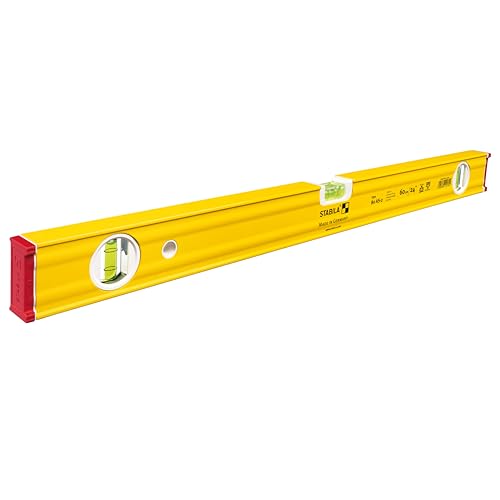
Spirit level — Stabila 80AS 600mm

Price: £45–£65

The Stabila 80AS is the UK trade standard 600mm builder’s level. Aluminium box section, three vials (horizontal, vertical, 45°), and the vials don’t drift over time. Cheaper levels (under £20) lose accuracy within months and you end up retrofitting walls. Stocked at Screwfix and the masonry trade counters. A 1200mm level is also useful but not essential in your first six months — borrow one until you know you need your own.

STABILA 80AS 24"/60CM D/P Level (24") 24" Yellow
  • Aluminium rectangular profile with reinforcing ribs – for high stability and secure hold while working.
  • Integrated anti-slip stoppers allow for a firm hold when marking – the spirit level does not slip.
  • STABILA high-quality vials for optimum readability – highly transparent, hard-wearing acrylic glass with precision-ground inner contours and fluorescent vial liquid.
  • STABILA installation technology ensures long-term accuracy – measuring accuracy in normal position is ± 0.5 mm/m and ± 0.75 mm/m in reverse position.
  • Plastic end caps protect the profile against impact.

Combination square, chalk line and pencil

Price: £20 combined

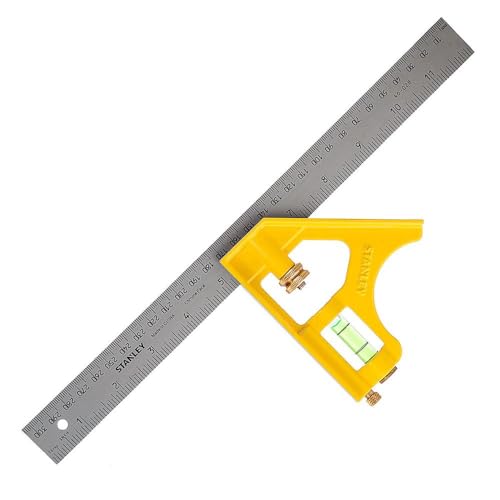
A 12″ combination square (Stanley or Empire), a chalk line (Stanley FatMax with blue chalk), a couple of carpenter’s pencils and a sharpener — these are the small consumables that make the difference between looking like a pro and looking like you’ve turned up on Tuesday morning unprepared. All available at Screwfix or Toolstation.

Sale
STANLEY 2-46-028 Combination Die Cast Square, 300mm/ 12'' 1 Multi-colour
  • Precision die cast body with 3 precision machined faces for accuracy
  • 360° vial for all round visibility
  • High quality brass nut and scriber fittings for long life
  • High visibility reading etched and coated blade for rust resistance
  • Metric / imperial graduations

Brick line and pins

Price: £6

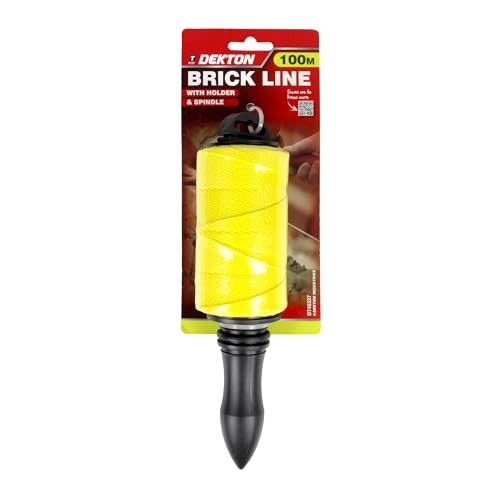
Pack of nylon brick line plus a set of pins. Even if you’re not doing the building yourself, you’ll be holding the line for someone in week one. Toolstation own-brand is fine.

Sale
Dekton 100m Brick Line with Holder | High-Visibility 100m Masonry String | Plastic Spindle Handle & Lock | Ideal for Bricklaying & Construction Work
  • High-Visibility 100m Line: Bright string ensures clear alignment for accurate bricklaying and leveling work.
  • Durable Spindle Handle: Strong plastic construction offers smooth handling and long-lasting performance.
  • Secure Lock Mechanism: Prevents tangling and slipping for consistent, uninterrupted use.
  • Convenient Holder: Keeps the brick line organized, easy to store, and always ready for use.
  • Ideal for Construction Work: Suitable for masonry, bricklaying, landscaping, and general building tasks.

Builder’s pouch and tool belt

Price: £25–£45

A proper leather or heavy nylon pouch on a belt is what holds your tape, knife, pencil, line pins and a few wall plugs ready to hand. The Scruffs Trade Holster is the popular sub-£30 option. The Snickers 9785 leather hammer holder is more expensive but lasts a working lifetime. Get a hammer loop on it. You don’t need a 47-pocket carpenter’s rig — that’s for second-fix joiners, not first-year builders.

The PPE that’s not optional

Most UK building sites won’t let you on past the gate without the right PPE. Even on smaller domestic sites, your gaffer will assume you’ve turned up with this lot. None of these are negotiable.

Safety boots — DeWalt Bolster, Scruffs Solleret or Site Quartz

Price: £55–£90

S3 SRC rated minimum. Steel toe is fine; composite is lighter if you’d rather. DeWalt Bolster boots are the most popular trade-counter pick because they’re under £80 and last a year of daily wear. Scruffs Solleret are slightly nicer to wear all day if you’re standing on hard floors. Site brand from Screwfix is the budget pick. Whatever you pick, walk around in them in the shop — boots are personal and a £50 boot that fits your foot beats a £90 boot that doesn’t.

Find our reviews of safety boots here

Hard hat — Centurion Concept or JSP EVO3

Price: £15–£28

EN 397 minimum. Centurion Concept is the standard short-peak hard hat at most main contractors. JSP EVO3 is the wheel-ratchet upgrade. Both stocked at Screwfix. Replace every five years (printed on the inside) or sooner if you take a real knock. Don’t buy second-hand.

Hi-vis vest

Price: £6–£15

Class 2 vest minimum. You’ll need at least two — one in the wash, one in the bag. Site brand from Screwfix or Toolstation is the cheap and cheerful option. If you’re outdoors year-round, get a hi-vis bomber jacket as well by month six but a vest will do for the start.

Safety glasses, ear defenders, gloves, dust mask

Price: £30 combined

EN 166 safety glasses (Bolle Rush or 3M SecureFit are the comfortable ones), 3M Peltor X1 ear defenders or X-Series foam plugs, a couple of pairs of nitrile-coated grip gloves (Showa 451, Polyco Matrix), and a 3M Aura 9332+ FFP3 dust mask for the moments you’re cutting blocks with the disc cutter or sweeping out a chase. The dust mask matters — silica dust is now properly regulated on UK sites and getting caught working dry without an FFP3 will get you sent home.

Knee pads

Price: £15–£35

Crawling-around-on-floors is half of first-year work. Stanley FatMax gel knee pads are the under-£20 option. Scruffs Trade or DeWalt are the £30 options that last longer. Slot-in knee pads (the kind that go inside a knee-pad-pocket trouser) are nicer if your trousers have the pockets — but you need the trousers first.

Power tools — start with one combi drill

This is where most first-year builders spend money they don’t need to. You don’t need a five-piece power tool kit on day one. You need one combi drill on a platform you can grow into. Buy more tools when you actually have the work for them.

Which battery platform?

Three sensible answers, depending on budget and what your gaffer uses on site:

DeWalt 18V XR — the most common platform on UK building sites, supported by every main contractor’s tool hire desk, available at Screwfix, Toolstation and ITS. The DCD796 combi kit with two batteries, charger and case is around £170 at Screwfix in 2026.

Makita LXT (18V) — the equal-most-common pro platform, slightly nicer feel in the hand, the DHP485 combi kit lands at about £180–£200 at Screwfix and the trade counters. Battery range is enormous if you grow the kit out.

Erbauer EXT (18V) — Screwfix and B&Q’s trade-spec own brand. The brushless combi (EXT 18V Combi) lands at about £130 with two batteries and case. Build quality is genuinely close to the big two for around 70 percent of the price. The catch is that no main contractor’s tool hire desk stocks Erbauer batteries, so on a site you can’t borrow.

If your gaffer is on Makita, buy Makita. If they’re on DeWalt, buy DeWalt. If you’re going self-employed inside a year, Erbauer EXT is the value play. Don’t buy Ryobi as a builder — it’s a competent DIY platform but the trade impact and SDS tools you’ll want next year don’t exist on the Ryobi One+ in proper trade spec.


What you don’t need yet

Skip these for at least your first six months: SDS hammer drill (you’ll borrow one), angle grinder (dangerous in untrained hands and your gaffer’s grinder will be there), impact driver (lovely to have but not essential), reciprocating saw (specialist), site radio, dust extractor, mitre saw. None of these belong in a first-year builder’s kit. You’ll know when you need them.


Storage — a real builder’s bag, not a plastic toolbox

A standard rigid plastic toolbox is the wrong shape for site work. Buy a proper open-top builder’s bag or tote — the kind that opens wide so you can see everything at once and dump the contents on the floor at the end of the day. The Toughbuilt Massive Mouth and the DeWalt 18″ Open-Mouth Tote are the ones most apprentices end up with. About £30–£50 at Screwfix or Amazon UK. A second smaller pouch for valuables (knife, tape, phone, breakfast) keeps the important small things from disappearing into the bottom of the big bag.

Don’t bother with a tool chest in your first year. They’re heavy, you can’t lift them in and out of the van easily, and your hand tool collection isn’t big enough to need one. By year three, when you’re investing in a serious cordless platform and a stack of saws, that’s when you upgrade to a TStak/Toughsystem stacking system.


UK first-year builder kit costs at a glance

Category

Item

Approx Price

Where to Buy

Hand

Estwing E3-20S claw hammer

£25–£40

Screwfix, Toolstation

Hand

Stanley FatMax 1.25kg club hammer

£14–£22

Toolstation

Hand

WHS Tyzack 11″ brick trowel

£25–£55

Specialist masonry retailers

Hand

Stanley 4″ brick bolster

£10–£18

Screwfix

Hand

Stanley FatMax 8m tape

£14–£25

Screwfix, Toolstation

Hand

Stanley FatMax 99E knife + 100 blades

£15

Screwfix

Hand

Stabila 80AS 600mm level

£45–£65

Screwfix, ITS

Hand

Combination square + chalk line + pencils

£20

Toolstation

Hand

Brick line and pins

£6

Toolstation

Hand

Scruffs Trade pouch + belt

£25–£45

Amazon UK, Screwfix

PPE

DeWalt Bolster S3 boots

£55–£90

Screwfix

PPE

Centurion Concept hard hat

£15–£28

Screwfix

PPE

Hi-vis vest x2

£12–£30

Screwfix

PPE

Safety glasses, ear plugs, gloves, FFP3 mask

£30

Screwfix, Toolstation

PPE

Stanley FatMax knee pads

£15–£35

Toolstation

Storage

Toughbuilt Massive Mouth bag

£30–£50

Amazon UK, Screwfix

Power

DeWalt DCD796 / Makita DHP485 / Erbauer EXT combi kit

£130–£200

Screwfix, Toolstation


Buyer’s guide — how to actually shop for this kit


Don’t buy it all in one go

If you turn up day one with a brand-new £500 kit and it all looks shop-fresh, two things happen. First, the second-years take the mickey. Second, you’ve spent money on the wrong stuff because you don’t know yet what you actually use. Buy the bare essentials in week one (hammer, tape, knife, pouch, PPE) and add the rest over the first three months as you learn the work.

Trade counter beats online for hand tools

If you have a Toolstation, Screwfix or ITS trade counter near home, walk in and pick the hammer up before you buy. Hammer balance, knife grip and trowel feel are personal — what’s perfect for your gaffer might be wrong for your hand. Online is fine for consumables (blades, chalk, pencil) and for cordless, where the products are identical between branches.

Buy second-hand carefully

Second-hand hand tools at car boot sales and on Facebook Marketplace are often a bargain — a vintage Estwing hammer is the same hammer it was in 1985. Avoid second-hand power tools unless you can actually try them and ideally see the original receipt. Cordless batteries are the failure point and a £150 “barely used” combi kit with worn-out batteries costs the same as a new one once you’ve replaced the pack.

Receipts and serial numbers

Photograph every receipt and write your initials in marker on every tool that has a flat surface for it. Site theft is real, your insurer will need proof of purchase, and the second-year apprentice borrowing your knife is more likely to bring it back if your initials are on the side of it.


FAQs

How much should a first-year builder spend on tools?

£350–£500 in the first three months covers everything in this guide. Don’t try to do it all in week one. Most apprentices end up spending closer to £700–£900 in year one as they add a second cordless tool and upgrade specific bits, but the starter kit on this page will get you through six months.

Should I get DeWalt, Makita or Erbauer?

Match your gaffer’s site. If they’re DeWalt, you can borrow their batteries on site. If they’re Makita, same. If you’re working alone or for a small firm with no fixed platform, Erbauer EXT is the value pick — close to the trade brands at 60–70% of the price. None of the three is a wrong answer.

Do I need a mitre saw or chop saw in year one?

No. Borrow the site one. By year two, when you know if you’re going carpentry, second-fix or staying with general building, that’s when you choose.

What’s the one tool people regret not buying sooner?

A proper Stabila level. Cheap levels lose accuracy within a year and you don’t notice until the wall is up and your gaffer is laughing at you. £55 for a Stabila 80AS up front is cheaper than the alternative.

Where can I get this kit cheapest?

Screwfix Trade Pricing (you need to apply for an account, free for trade members) plus Toolstation’s regular bundle deals will save 10–20% on most of this list. Amazon UK is competitive on the brand-name hand tools but check the seller — counterfeit Estwings and Stanley FatMax are a real problem on third-party Amazon listings.


Final word

First-year builder kit is about getting through the day looking prepared and not turning up empty-handed. It is not about owning every tool you might one day need. The list above is the honest baseline that will see you to month six without anyone asking why you’ve not got X. After six months on the lorry you’ll know what to buy next, and you’ll know it without anyone needing to write a guide about it.

More Reviews Here..