Quick Verdict
Yes, for anyone using their tools every working day — the FUEL motors, RedLink Plus electronics and genuinely deep trade-specific range justify the premium over cheaper platforms. If you’re an occasional or DIY-adjacent user, the premium is harder to justify and a cheaper platform will serve you just as well for lighter duty cycles.
Understanding the Milwaukee Range
M12 — Compact 12V Tools
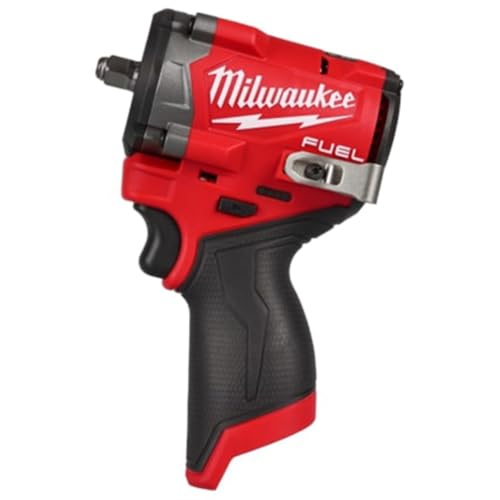
M12 is Milwaukee’s compact platform, built for access-limited work — tight consumer units, lofts, under-sink cupboards. The M12 FUEL Stubby Impact Wrench is the standout tool in the range, delivering real torque from a genuinely pocket-sized body.
M18 — The Core 18V Platform
M18 is Milwaukee’s main trade platform and the one most buyers should start with — it covers the vast majority of the tool range, from drills and drivers through saws, grinders and site lighting.
M18 FUEL — The Professional Standard
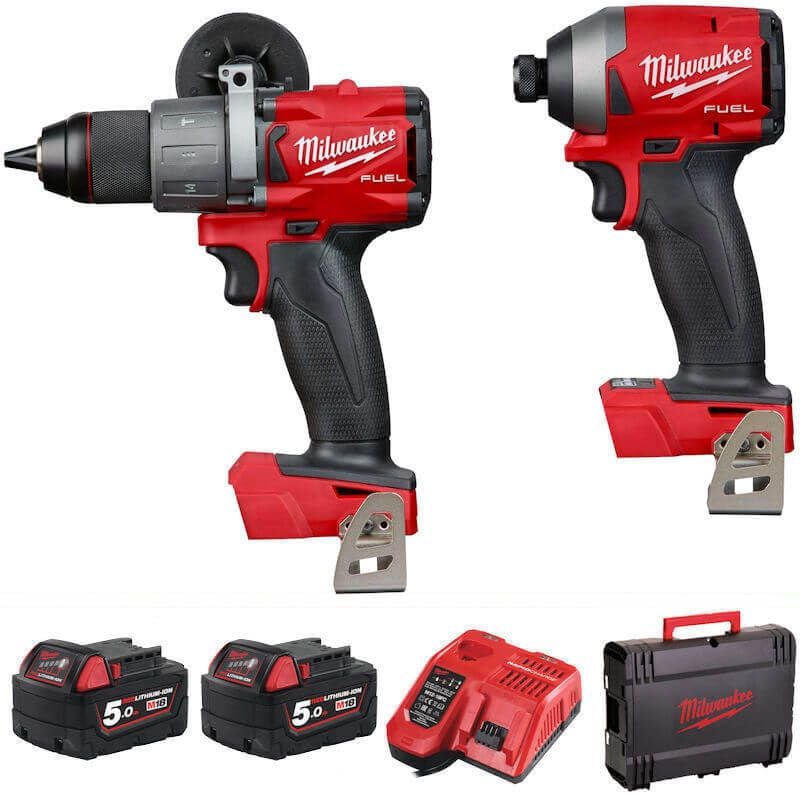
FUEL denotes Milwaukee’s brushless motor and RedLink Plus electronics tier within M18 — genuinely higher performance and longer tool life than the standard (non-FUEL) M18 tools, at a proportionate price premium. A representative current FUEL combi/impact twin pack is the M18FPP2A2-502X, with 2×5.0Ah batteries.
What You Actually Pay For
- Brushless FUEL motors that run cooler and last longer under sustained heavy use than brushed or standard brushless alternatives.
- RedLink Plus electronics — overload, overheat and over-discharge protection that genuinely extends tool and battery lifespan.
- A tool range built specifically for trade use rather than adapted from a DIY line, including dedicated plumbing, electrical and metalworking tools other platforms don’t match.
- One-Key connectivity on selected tools, for inventory tracking and torque control — a genuine feature for larger outfits managing tools across a fleet.
- A stronger UK trade reputation and second-hand market, which protects resale value if you ever move platforms.
Where Milwaukee Is Worth Every Penny
For electricians running M12 into consumer units daily, for plumbers using Milwaukee’s press-fit and ProPEX tooling, for anyone doing sustained heavy drilling or metalworking, and for larger outfits that need One-Key’s inventory tracking across multiple vans — Milwaukee’s premium is easy to justify because the extra performance and durability show up in daily use, not just on a spec sheet.
Where Milwaukee Might Not Be the Right Choice
Occasional or Part-Time Use
If your tools sit unused most of the week, you won’t put enough hours through them to feel the benefit of FUEL motors and RedLink Plus electronics over a cheaper platform’s equivalent tool.
Budget-Constrained Setups
Milwaukee is consistently one of the more expensive platforms to buy into — if budget is the binding constraint on getting kitted out at all, a cheaper platform will get you working sooner for less outlay.
Tasks Where Tool Power Is Not the Limiting Factor
For light screwdriving, general fixing and other low-torque tasks, almost any 18V platform performs adequately — Milwaukee’s extra power headroom simply isn’t the deciding factor for these jobs.
Milwaukee vs the Competition — Brief Overview
Milwaukee vs DeWalt
DeWalt is cheaper and has a wider general tool range; Milwaukee has the edge in heavy-duty performance and trade-specific tooling. See our full DeWalt vs Milwaukee comparison for the detailed breakdown.
Milwaukee vs Makita
Makita has a larger overall range and stronger second-hand market; Milwaukee’s FUEL tier and One-Key connectivity are the areas where it pulls ahead.
Milwaukee vs Bosch
Bosch Professional is a more compact single-platform system; Milwaukee’s range depth and metalworking/plumbing specialist tools give it the edge for trades that need those specific categories.
By Trade: Our Recommendation
Electricians and plumbers doing daily access-limited work get the clearest value from Milwaukee, thanks to M12’s compact tools and Milwaukee’s press-fit/ProPEX range. Metalworkers and fabricators benefit from FUEL’s grinder and cutting performance. General builders and multi-trade users should weigh Milwaukee’s premium against DeWalt’s wider range and lower buy-in cost before committing.
Frequently Asked Questions
Is Milwaukee actually better than DeWalt or Makita, or just more expensive?
It’s genuinely better in specific categories — heavy drilling, metalworking, impact wrenching and access-limited electrical/plumbing work via M12 — rather than universally superior. For general light use, the difference is smaller than the price gap suggests.
Do Milwaukee batteries fit other brands’ tools?
No — Milwaukee’s M12 and M18 battery mounts are proprietary and not compatible with any other manufacturer’s tools.
Is the One-Key system worth paying extra for?
Only if you’re managing tools across multiple people or vans — for a sole trader it’s a nice-to-have rather than a must-have.
How does Milwaukee’s warranty compare to competitors?
Broadly comparable — a standard warranty extending with registration, in line with DeWalt, Makita and Bosch Professional’s own terms.
Should a first-year apprentice buy Milwaukee?
Only if budget allows — Milwaukee’s premium is real, and a cheaper platform will teach the same fundamentals for less outlay while you’re still building a kit.
Our Verdict
Milwaukee earns its premium for anyone using tools daily in the categories it specialises in — heavy drilling, metalworking, and access-limited electrical or plumbing work. For lighter or occasional use, the extra spend buys headroom you may never actually need. Buy Milwaukee for the jobs where its specific strengths matter, not as a blanket upgrade over every other platform on this site.
Related reading