Quick Verdict
Both are excellent 18V platforms that will see you through years of trade work, so the decision usually comes down to which categories matter most to you. DeWalt tends to edge ahead on raw power for masonry and heavy-duty work, and its FlexVolt batteries stretch to genuinely big site saws; Makita counters with a wider overall tool range and lighter, more ergonomic handling across the board. If you’re deciding on drill and driver alone — where most day-to-day work happens — it’s close to a draw, so let your trade and what you already own decide it.
Quick Comparison
Both platforms run on a core 18V battery system, cover the same essential categories (drills, drivers, saws, grinders) to a genuinely professional standard, and are backed by a warranty that extends to 3 years once you register the tool. DeWalt is generally positioned as the tougher, site-ready choice with a slight edge in cutting power; Makita is positioned on ergonomics, weight and the sheer breadth of its LXT range, which spans everything from garden tools to vacuum cleaners on the same battery. Neither position is marketing fluff — both hold up in practice.
Brand Backgrounds
DeWalt
DeWalt was founded in the US in 1924 and is now part of Stanley Black & Decker. Its 18V XR platform, launched in 2014, is comprehensive and stocked at every major UK trade counter and online retailer — you’re never far from a DeWalt battery or charger.
Makita
Makita is a Japanese manufacturer founded in 1915, originally as an electric motor repair business before moving into power tools. Its 18V LXT platform is one of the largest cordless tool ecosystems in the world by tool count, extending well beyond power tools into outdoor equipment and even LED lighting and coolers that run off the same batteries.
Tool-by-Tool Comparison
Here’s how the two platforms compare tool for tool, category by category.
Combi Drills
For a core combi drill, both brands field genuinely excellent kit. On the DeWalt side, the DCD796P1-GB is a well-reviewed, current XR combi drill kit — the one to buy if you’re starting a DeWalt kit from scratch.


Makita’s DHP487 combi drill was the long-standing pick here, but it’s since been discontinued — the current-generation DHP492Z takes its place, a genuine current Makita LXT combi drill with the same brushless motor and two-speed gearbox.

Impact Drivers
DeWalt’s DCF887N is a genuine, best-selling, Amazon’s Choice XR impact driver sold as a bare unit — pair it with whatever battery you’ve already got in your kit.

Makita’s DTD172 doesn’t have a clean current listing — it only turns up via resellers at inflated prices — so the newer DTD152Z is the one to buy instead, a genuine current-generation Makita impact driver.

Circular Saws
DeWalt’s original DCS570 has moved on to the DCS572N, the current-generation 184mm brushless circular saw — a genuine, well-reviewed bare unit that’s the one to buy today.

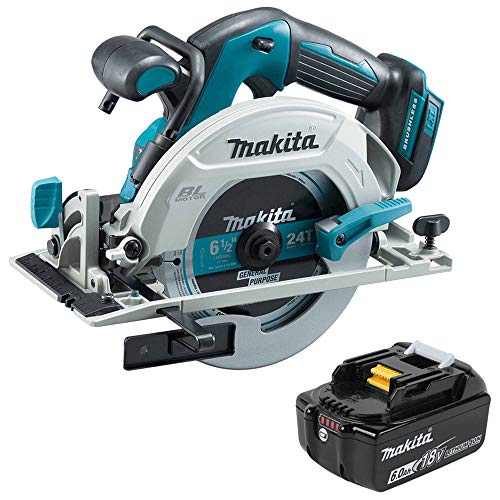
Makita’s DHS680 is still very much in production — a brushless 184mm circular saw that, unlike the DeWalt above, comes bundled with a 6.0Ah battery rather than sold bare, which explains most of the price gap between the two.
- £293.00, includes 1 x 6.0Ah battery
SDS Drills
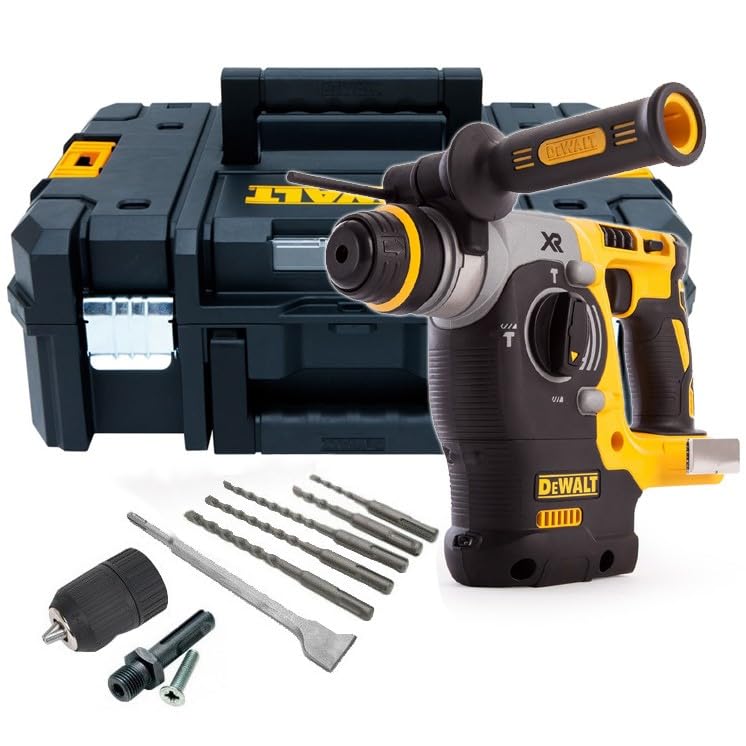
DeWalt’s DCH273 is available as the DCH273NT kit, bundling the SDS hammer drill with a battery, charger and a set of bits and chisels — genuinely useful if you’re building a masonry kit from nothing.
- £227.99, kit with battery, bits and chisel
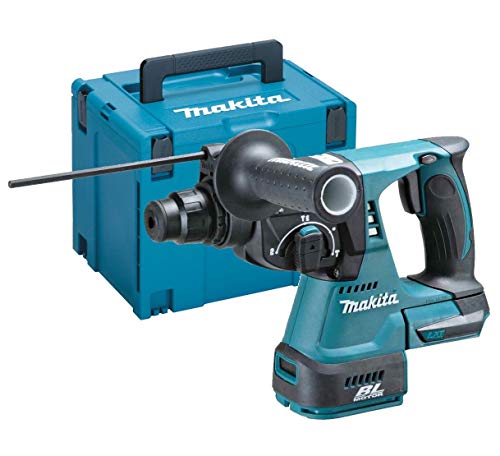
Makita’s DHR242 is a well-established SDS rotary hammer, sold bare with a MakPac case — pair it with any LXT battery you’ve already got.
Angle Grinders
Both brands cover angle grinders across their full-size (54V FlexVolt or standard 18V) and compact ranges. DeWalt’s FlexVolt grinders give it the edge for large-diameter discs and heavy cutting and grinding work, where the extra voltage genuinely shows. Makita’s standard 18V grinders are lighter and better suited to more frequent, lighter compact grinding tasks around a site.
Mitre Saws and Table Saws
This is where DeWalt’s FlexVolt really earns its keep — the same battery that powers your combi drill also runs a full-size mitre saw or table saw, without a second battery format or charger to carry. Makita’s equivalent site saws run on its separate 40V max XGT platform, which means a second set of batteries and a charger if you want to add one to an LXT kit — worth factoring in before you commit.
Multi-Tools
DeWalt’s DCS356NT-XJ is a well-reviewed brushless oscillating multi-tool, sold as a bare unit — a genuinely capable pick for detail cutting and sanding work.

Makita’s DTM52ZJ is the equivalent brushless multi-tool, sold bare in a MakPac case. Both are a genuine toss-up on this one — buy whichever platform the rest of your kit is already on.

Specialist and Niche Tools
Once you get past the core kit, Makita’s sheer range starts to tell — its LXT platform extends into genuinely niche territory (multi-tools, vacuums, outdoor equipment, even coolboxes) that DeWalt’s range doesn’t match as broadly. DeWalt’s specialist range is still strong for site-specific tools, but if you want one battery running almost everything in your kit, Makita has the wider net.
Battery Platforms
Standard 18V
Both platforms’ bread-and-butter tools run on standard 18V batteries, and the ranges are broadly comparable in capacity and charge times — a 5.0Ah battery from either brand will get you through a normal working day on a combi drill or driver.
High-Voltage: FlexVolt vs XGT
DeWalt’s FlexVolt batteries automatically switch between 18V and 54V depending on which tool they’re in, so the same battery covers your combi drill and a full-size mitre saw or table saw. Makita’s high-voltage tools run on a separate 40V max XGT platform with its own batteries and charger — more powerful tool for tool, but it means starting a second battery collection if you want to add one to an existing LXT kit.
Build Quality and Ergonomics
Both brands build to a standard that will survive daily site use for years. DeWalt tools tend to feel slightly more rugged and site-ready; Makita tools are consistently lighter and better balanced, which adds up over a full day of use. Neither is a reason on its own to choose one platform over the other — it comes down to whether raw toughness or all-day comfort matters more to you.
Pricing and Value
Across the wider range, pricing between the two brands is close, with individual listings moving around more than brand positioning does — on the picks boxed above, Makita’s circular saw and multi-tool actually come in more expensive than DeWalt’s, largely because they’re bundled with a battery rather than sold bare. Check what’s actually included before comparing price tag to price tag.
Warranty and Service
Both brands work the same way in the UK: a 1-year standard warranty as bought, extending to 3 years total if you register the tool — DeWalt within 4 weeks of purchase, Makita within 30 days. Neither has a meaningfully longer standing warranty than the other, so register whichever kit you buy and you’re covered either way.
UK Availability
Both brands are extremely well stocked across UK trade counters, builders’ merchants and online retailers, so availability on the core range isn’t a real deciding factor. A handful of specific listings above are thinner on reviews or stock than others — worth a quick check on the exact kit you want before you buy.
Which Platform Suits Which Trades?
Carpenters and joiners often lean DeWalt for its saw range and FlexVolt’s ability to run a mitre saw off the same battery as hand tools. Tradespeople who value all-day comfort — plasterers, decorators, anyone on their feet with a drill all day — often prefer Makita’s lighter handling. General builders and multi-trade outfits do well on either platform; the decision usually comes down to whichever one they already have batteries for.
The Verdict
There’s no wrong choice here — both are proven, well-supported professional platforms with excellent UK availability. If you want one battery that covers everything from a combi drill to a full-size site saw, DeWalt’s FlexVolt makes a genuinely strong case. If tool range and all-day comfort matter more, Makita’s LXT platform is hard to beat. On the individual picks boxed above, buy on which platform you’ll build out over the coming years, not on today’s price gap between any two kits.
Frequently Asked Questions
Is DeWalt or Makita better?
Neither is universally better — DeWalt has the edge in raw power and FlexVolt’s high-voltage flexibility, Makita has the wider tool range and lighter handling. The right platform depends on your trade and what you’re already invested in.
Can I use DeWalt batteries in a Makita tool, or vice versa?
No. The two brands use different battery mounting systems and aren’t cross-compatible, so once you commit to a platform you’re buying into it for future tools too.
Is FlexVolt worth it if I don’t need a big site saw?
Not really — FlexVolt batteries cost more than standard 18V ones, so unless you’re planning to add a mitre saw, table saw or similar high-voltage tool, a standard XR battery is the better value choice.
Milwaukee vs Makita — Platform Comparison
Best Cordless Drill for Plumbers 2026
Brushed vs Brushless Motors Explained
Related reading