
Brand & Model
Makita DDF453Z 18V LXT
Battery
Lithium-ion
Whats included
1x DDF453Z 18V LXT Cordless Drill Driver (Body Only)
Kitd Rating: 7.5/10
Solid, dependable, unspectacular — exactly what a mid-range drill driver should be.
Let’s be honest — as an electrician, you’re not drilling through concrete slabs all day. You need a drill that’s compact enough to get into tight spots, light enough to use overhead without your arms giving up, and powerful enough to punch through steel enclosures and timber joists when the job demands it.
The big lump that builders swear by? Too heavy. The cheap DIY special? Won’t last a week. You need something in between — and there are a handful of drills that genuinely fit the bill.
I’ve looked at what UK sparks are actually using on site, compared the specs that matter for electrical work, and put together this list of the best cordless drills for electricians in 2026.
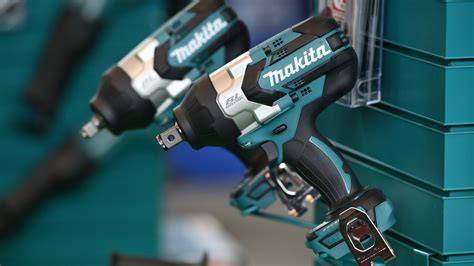
What Electricians Actually Need From a Drill
Before we get into specific models, let’s talk about what makes a drill suitable for electrical work. It’s not the same as what a chippy or a plumber needs.
Compact size matters more than maximum torque. You’re working in consumer units, behind plasterboard, in ceiling voids. A drill that’s 200mm long is more useful than one with an extra 20Nm of torque you’ll never use.
Weight adds up. Hold a drill overhead for ten minutes and you’ll feel every gram. Most of your drilling is light-duty — running cables, fixing clips, mounting accessories. A 2.5kg beast is overkill.
Hammer action is nice to have, not essential. Yes, you’ll occasionally need to drill into brick or blockwork for clips and containment. But you’re not core drilling. A light hammer action handles those jobs; you don’t need an SDS substitute.
Battery platform matters. If you’re already running Makita 18V or DeWalt XR, stick with it. The convenience of shared batteries across your kit outweighs minor differences between drill models.
Our Top Picks
Best Overall: Makita DHP484
Price: £83–95 (body only) Torque: 54Nm Weight: 1.6kg (bare) Length: 182mm
The DHP484 is the drill you’ll see in more electricians’ vans than any other. There’s a reason for that — it’s the right balance of everything.
At 182mm long and 1.6kg without a battery, it’s genuinely compact. Slot a 3.0Ah battery on and you’ve still got a drill that doesn’t feel like a weapon. The 54Nm torque is plenty for electrical work — you’re not drilling 89mm holes through hardwood, and if you are, reach for an SDS.
The brushless motor means efficiency and longevity. The 21 torque settings give you control when driving screws into plastic enclosures without cracking them. The hammer action is adequate for fixing to blockwork, though I wouldn’t rely on it for heavy masonry.
Makita’s LXT platform is one of the largest around — over 270 tools share the same batteries. If you’re already invested, this is a no-brainer. If you’re starting fresh, LXT is a solid ecosystem to buy into.
The honest take: It’s not exciting. It doesn’t have the headline specs of some competitors. But it’s refined, reliable, and sized perfectly for electrical work. There’s a reason it’s been a trade favourite for years.
Best for: First-fix and second-fix electricians who want a dependable everyday drill.
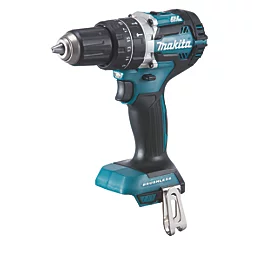
Best for Power: Makita DHP486
Price: £145–175 (body only) Torque: 130Nm Weight: 2.0kg (bare) Length: 178mm
When you need more grunt — drilling through steel, running large auger bits through joists, or just dealing with harder materials — the DHP486 steps up.
At 130Nm, it’s got serious power. The brushless motor handles continuous heavy-duty work without overheating. And despite the extra capability, Makita’s kept it compact at 178mm — actually shorter than the DHP484.
The XPT (Extreme Protection Technology) helps with dust and moisture resistance, which matters if you’re on building sites rather than just domestic work.
It’s heavier at 2kg bare, and with a 5.0Ah battery you’re looking at closer to 2.7kg. That’s noticeable overhead. But for sparks doing a lot of first fix, the extra power justifies the extra weight.
The honest take: If the DHP484 occasionally feels like it’s working hard, the DHP486 won’t. It’s more drill than most electricians need day-to-day, but it handles everything without complaint. The price jump is significant though — only worth it if you regularly push into heavier work.
Best for: Electricians doing commercial work or heavy first-fix where extra power matters.
Best Compact: DeWalt DCD796
Price: £70–85 (body only) Torque: 70Nm Weight: 1.3kg (bare) Length: 190mm
DeWalt’s answer to the compact combi is smaller and lighter than the Makita options, with respectable power for its size.
The DCD796 was designed for confined spaces — at 1.3kg bare, it’s noticeably lighter in hand. The 70Nm torque sits between the DHP484 and DHP486, giving you a bit more headroom without the weight penalty.
The brushless motor is efficient, the 15-position clutch gives decent control, and the 3-position LED is genuinely useful in dark ceiling voids. The all-metal transmission should last.
DeWalt’s XR platform is mature and widely available. Battery selection is good, chargers are solid, and the ecosystem includes everything you’d need.
The honest take: Slightly less refined feel than the Makitas — the ergonomics are good but not quite as comfortable over a long day. The chuck has had some criticism for not gripping quite as solidly, though I haven’t experienced this personally. At the price, it’s hard to argue with.
Best for: Electricians who prioritise light weight and tight access over maximum power.
Best for Heavy Duty: Milwaukee M18 FPD3
Price: £155–180 (body only) Torque: 158Nm Weight: 2.2kg (with 5.0Ah battery) Length: 175mm
If you want the most powerful compact drill on the market, this is it. Milwaukee’s FUEL line doesn’t mess about.
158Nm of torque is genuinely impressive — enough to run 89mm hole saws through timber without breaking a sweat. The AUTOSTOP feature prevents over-rotation in a bind-up, which is a genuine safety benefit when the drill bites.
At 175mm, it’s actually the shortest drill on this list despite being the most powerful. Milwaukee have squeezed serious performance into a compact package.
The M18 platform is excellent, with a huge range of tools available. The REDLITHIUM batteries are among the best for cold-weather performance if you’re working on sites in winter.
The honest take: This is more drill than most electricians need. The power is impressive but mostly irrelevant for cable clips and switch mounting. If you’re doing a mix of trades work or genuinely need to drill through steel regularly, it’s fantastic. For pure electrical work, you’re paying for capability you won’t use.
Best for: Electricians who double as general builders or need maximum versatility.
Quick Comparison
| Model | Torque | Weight (bare) | Length | Price (body) |
|---|---|---|---|---|
| Makita DHP484 | 54Nm | 1.6kg | 182mm | £83–95 |
| Makita DHP486 | 130Nm | 2.0kg | 178mm | £145–175 |
| DeWalt DCD796 | 70Nm | 1.3kg | 190mm | £70–85 |
| Milwaukee M18 FPD3 | 158Nm | 2.2kg | 175mm | £155–180 |
Drill Driver vs Combi Drill — Does It Matter?
All the drills above are combi drills — they have hammer action for drilling into masonry. For electrical work, you could arguably get away with a drill driver (no hammer) since most of your work is in timber, metal, and plasterboard.
But combi drills have become the standard for good reason. That occasional need to drill a clip into blockwork or fix a backbox to brick comes up enough that hammer action is worth having. The weight and size penalty is minimal on modern brushless combis.
If you’re purely doing domestic second-fix and never touch masonry, a drill driver like the Makita DDF484 would be lighter and slightly cheaper. But for most sparks, a combi is the safer choice.
What About 12V Drills?
Some electricians run 12V drills as a lightweight option for second-fix work. The Makita DF332D and DeWalt DCD701 are popular choices — smaller, lighter, and plenty for driving screws and drilling small holes.
The trade-off is capability. 12V drills typically top out around 30-40Nm, which is fine until you hit something harder than expected. And you’re adding another battery platform unless you’re already invested.
For most electricians, a single good 18V combi handles everything. But if weight is your priority and you’re willing to carry two drills, a 12V for light work and an 18V for heavy has its merits.
Which One Should You Buy?
If you want one drill that does everything: Makita DHP484. It’s the Goldilocks choice — compact enough for confined spaces, powerful enough for first-fix, light enough for overhead work. The benchmark for a reason.
If you’re on a budget: DeWalt DCD796. Lighter, slightly more powerful than the DHP484, and cheaper. The XR platform is solid. A great first trade drill.
If you need more power: Makita DHP486. Same LXT batteries, significantly more torque, still reasonably compact. Worth the premium if you regularly push into heavier work.
If you want the best regardless of price: Milwaukee M18 FPD3. Ridiculous power, excellent safety features, compact design. Overkill for pure electrical work, but if you want one drill that does absolutely everything, this is it.
A Note on Battery Platforms
Your drill choice might already be made based on which batteries you own. If you’ve got five Makita 18V batteries in your van, buying a DeWalt drill means starting a new platform. That’s expensive and inconvenient.
All four brands here — Makita LXT, DeWalt XR, and Milwaukee M18 — are excellent ecosystems with wide tool ranges. None of them are a bad choice. Pick based on what you already own, or if starting fresh, consider which platform has the other tools you’ll eventually want.
Most electricians end up needing an impact driver, multi-tool, SDS, and torch at minimum. Check that your chosen platform offers good options for all of these before committing.
Where to Buy
All these drills are available at:
- ITS (its.co.uk) — Trade-focused, good prices, fast delivery
- Screwfix — Convenient, can click and collect
- Toolstation — Similar to Screwfix, sometimes cheaper
- Amazon — Price varies, check seller reputation
- Power Tool World — Wide range, competitive pricing
Body-only deals are common if you’re already on a battery platform. Full kits with batteries and charger make sense if you’re starting fresh, but price them against buying separately — sometimes buying a body and batteries individually works out cheaper.
Final Thoughts
The best cordless drill for an electrician isn’t necessarily the most powerful one. It’s the one that’s compact enough to use comfortably, light enough to work with all day, and powerful enough to handle the occasional harder task.
For most UK sparks, that’s the Makita DHP484. It’s been the trade standard for years because it gets the balance right. The DeWalt DCD796 is a strong alternative if you prefer lighter weight or want to save a few quid.
The heavier options — DHP486 and M18 FPD3 — make sense for electricians doing mixed work or heavy first-fix. But don’t buy power you won’t use. A compact 54Nm drill handles 95% of electrical work without complaint.
Whatever you choose, buy from a reputable platform and register your warranty. These drills should last years of daily use — treat them right and they’ll earn their keep many times over.
Kitd’s Top Pick: Makita DHP484 — the right drill for the job.