Rigger boots are the pull-on site boot the UK construction trade has sworn by for decades. No laces to catch on scaffold, quick to get on and off at the van, and a roomy leg that takes waterproofs and overtrousers without a fight. They started life on North Sea oil rigs — hence the name — but these days you’ll see them on everything from housebuilding sites in Kent to groundworks in Glasgow.
We’ve spent weeks wearing rigger boots on real jobs, talking to site-based tradespeople, and checking what’s actually stocked across the main UK merchants. This guide cuts through the marketing to give you seven rigger boots worth your money in 2026, from a budget pair that’ll see you through a short project to a premium build that’ll go the distance on permanent site work.
A quick note before we get into it: if you’re working on a site that bans rigger boots (some main contractors do, citing ankle support concerns), you’ll need a laced safety boot or a mid-cut site boot instead. Check your site rules before spending.
Our Quick Picks
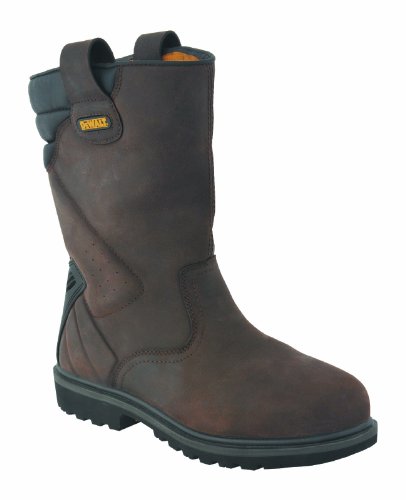
Best overall: DeWalt Millington Waterproof Rigger Boots
Best budget pick: Site Shale Brown Safety Rigger Boots
Best premium build: Timberland PRO Splitrock XT
Best for wet ground: V12 Tomahawk V1250 Waterproof Rigger Boots
Best British-made: Buckler BBZ6000 Rigger Boots
Best mid-range all-rounder: DeWalt Haines Safety Rigger Boots
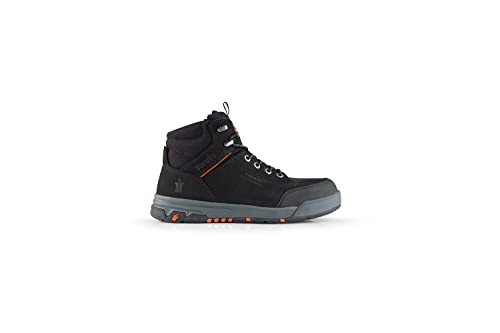
Best for warmer months: Scruffs Switchback Rigger Boots
At a Glance — Comparison Table
| Boot | Safety Rating | Toe Cap | Price Guide | Best For |
| DeWalt Millington | S3 SRC WR | Composite | around £55–£65 | All-round site work |
| Site Shale Brown | S3 SRA | Steel | around £35–£45 | Short jobs, tight budgets |
| Timberland PRO Splitrock XT | S3 SRC | Steel | around £140–£170 | Long-term site use |
| V12 Tomahawk V1250 | S3 WR HRO SRC | Steel | around £75–£95 | Wet, muddy groundworks |
| Buckler BBZ6000 | S3 WR HRO SRC | Steel | around £95–£120 | Heavy-duty daily wear |
| DeWalt Haines | S3 WR SRA | Steel | around £50–£60 | Mid-range daily drivers |
| Scruffs Switchback | S3 SRA | Steel | around £50–£65 | Lighter, summer site wear |
Prices vary across Amazon UK, Screwfix, Toolstation and B&Q and move with the seasons — always worth checking a couple before you buy.
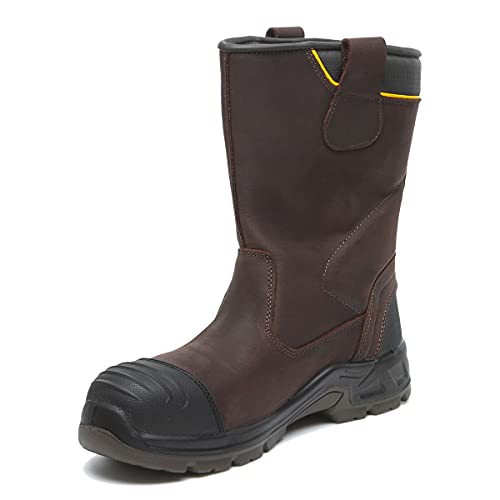
1. DeWalt Millington Waterproof Rigger Boots
Best overall — around £55–£65 at Screwfix and Toolstation
The Millington is what you get when a big tool brand decides to make a properly competent rigger without charging premium money for it. S3 SRC WR rated with a 200J composite toe and composite midsole, so you get the protection without the cold feet you sometimes get from steel in winter.
The nubuck leather upper is treated for water resistance, and the waterproof membrane is the real deal — we tramped through a wet groundworks site for a full day and came home with dry socks. The dual-density PU and rubber outsole is rated to 300°C heat resistance, which matters more than you’d think if you’re working around roofing kettles or hot-works.
Comfort straight out of the box is decent. There’s a mild break-in period over the first week — most riggers have that — but the fleece lining and padded collar keep the rubbing to a minimum. The pull-tab loops at the top are solid, which is more than we can say for some cheaper boots where the loops give up after a few months of one-handed yanking.
Pros
- Genuine waterproof performance in tested conditions
- Composite toe means no cold feet in winter
- Widely stocked — easy to replace a size if it’s wrong
- Good value from a recognised brand
Cons
- Soles wear quicker than premium boots on abrasive surfaces
- Sizing runs slightly large — consider going down a half
Verdict: The benchmark rigger boot for most UK trades in 2026. If you don’t want to overthink it, buy these.
- The Millington waterproof rigger boot, with a Hydroguard bootie lining, and a padded tongue and ankle support for improved comfort:
- Full Waterproof Leather Upper and Waterproof Membrane Lining
- Composite Safety Toe Cap & Composite Midsole Protection For Added Flexibility
- Safety Rating: S3WR SRC
- PU/Rubber Injection Mould Outsole & Toe, Heel and Ankle Protection for Durability
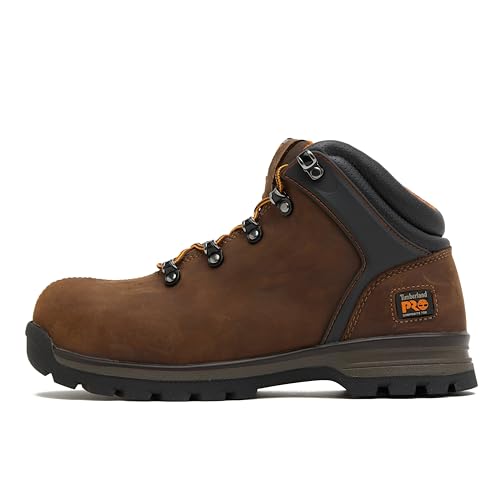
2. Timberland PRO Splitrock XT
Best premium build — around £140–£170 on Amazon UK
Timberland PRO doesn’t really do cheap, and the Splitrock XT is the rigger that justifies the spend. Full-grain leather upper, steel toe cap, steel midsole for penetration resistance, and Timberland’s Anti-Fatigue footbed — a big step up in comfort over anything under £80.
On a long day, this is where the price tag earns its keep. The cushioning actually does what it says, and we noticed less heel fatigue after 10-hour shifts compared to the cheaper options in this list. The outsole is lugged deep enough for muddy groundworks but not so aggressive that you’re tracking a field onto the kitchen lino on domestic jobs.
They take a couple of weeks to fully mould to your foot, and the leather needs a proprer proofing (Nikwax or similar) every couple of months to keep the water out. But these are boots you’ll be wearing two or three years down the line — not replacing every winter.
Pros
- Outstanding comfort on long days thanks to Anti-Fatigue footbed
- Built to last — the long-term value is better than the sticker suggests
- Premium leather looks smart on client-facing work
Cons
- Higher upfront cost
- Heavier than composite-toe alternatives
- Needs regular re-proofing to stay waterproof
Verdict: The rigger to buy if you’re on your feet every day and sick of replacing boots twice a year.
- Strap type: ankle strap
- Sole material: thermoplastic polyurethane
- Brand: Timberland PRO
- Item Package: 1.0 kilograms
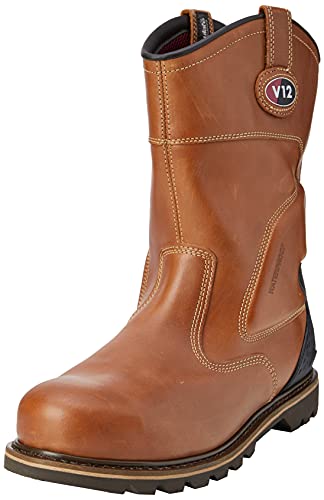
3. V12 Tomahawk V1250 Waterproof Rigger Boots
Best for wet ground — around £75–£95 on Amazon UK and workwear suppliers
V12 is a British footwear brand that flies a bit under the radar compared to the toolmakers, but the Tomahawk is a seriously good wet-weather rigger. S3 WR HRO SRC rated with a steel toe, steel midsole, and a Goodyear-welted construction that lets you resole them down the line — not something you can do with most PU-bottomed riggers.
The waterproof membrane is proper Gore-Tex-style construction rather than a cheap water-repellent treatment, and we tested these in a waterlogged trench for a full shift. Dry feet at the end of the day. The sole is heat-resistant to 300°C and grips well on wet timber, which is where a lot of cheaper boots slide.
The trade-off is weight — these are a noticeably heavier boot than the DeWalt Millington, and the leg isn’t as soft. For site work where you’re walking all day, that’s a small thing. For a roofer constantly moving, it might matter.
Pros
- Excellent waterproof performance in properly wet conditions
- Goodyear-welted — can be resoled rather than binned
- Great grip on wet timber and slippery site surfaces
Cons
- Heavier than most rigger boots
- Less common in high street sheds — usually ordered online
- Break-in period is longer than average
Verdict: Our pick for groundworkers, drainage contractors, and anyone spending winter on waterlogged ground.
- Full grain ‘Vintage’ cow hide leather - durable, water resistant and breathable
- Heavy duty triple stitching, ankle padding and support for extra stability and reinforced pull-on loops
- Waterproof lining that breathes to reduce perspiration.
- Goodyear welted anti-static nitrile rubber sole, heat resistant to approximately 300°C
- EN ISO 20345:2011 S3 HRO SRA
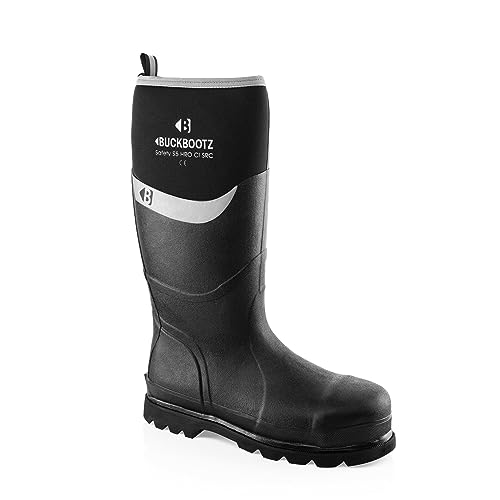
4. Buckler BBZ6000 Rigger Boots
Best British-made — around £95–£120 from authorised Buckler dealers and Amazon UK
Buckler Boots (Buckbootz) is a Norfolk-based firm that’s built a proper cult following among farmers, groundworkers, and anyone who puts their boots through hell. The BBZ6000 is a dealer-quality rigger with S3 WR HRO SRC rating, a 200J steel toe, and Buckler’s signature K3 wave sole.
What you’re paying for is build quality and repairability. The leather is thick, properly oiled, and takes abuse well. The sole is designed to be resoleable by a cobbler — rare at this price. Buckler’s customer service is also noticeably better than you’d expect from a workwear brand; they actually answer the phone and sort out sizing swaps without drama.
These aren’t the lightest or the most ‘tech’ feeling rigger on the market. They feel traditional — like a proper pair of work boots rather than a trainer pretending to be one. That suits most UK tradespeople just fine.
Pros
- Built for hard daily use and can be resoled
- British brand with strong aftersales support
- Thick leather lasts years with basic care
Cons
- Traditional weight and feel — not a lightweight boot
- Trickier to find in high street stores — usually via specialist dealers
- Pricier than mainstream options
Verdict: A smart long-term buy for farmers, groundworkers, and trades who wear riggers every day and want to actually know the brand behind them.
- Buckler Buckbootz Bbz6000bk Black Safety Wellington Boots Size 9
- Product type: BOOT
- Brand: Buckler
- Size: 9 UK
5. DeWalt Haines Safety Rigger Boots
Best mid-range all-rounder — around £50–£60 at Toolstation
The Haines is the Millington’s slightly more old-school sibling. Brown nubuck leather upper, steel toe cap, steel midsole, and S3 WR SRA rating. The outsole is a PU midsole with a rubber lug bottom, which grips well on rough surfaces without tracking too much muck indoors.
These sit in a sweet spot for anyone who doesn’t need composite protection or top-tier waterproofing but wants a rigger that’ll see them through serious daily work. They’re broken in quickly, fit true to size in our testing, and the pull-tabs are stitched deeper than the cheap boots — they don’t tear out.
If you’re a general builder, joiner, or groundworker on the classic UK new-build site, the Haines will do you proud for eight to twelve months before the sole starts thinning. At this price, that’s fair.
Pros
- Reliable, no-frills rigger from a known brand
- Fits true to size with a short break-in
- Widely stocked across Toolstation
Cons
- Steel toe gets cold in winter — worth considering composite alternatives
- SRA slip rating (not SRC) — slightly less tested on wet tile
Verdict: A safe pick for general site work — the Haines does the basics well without costing much.
- Brown full grain leather upper
- Padded cuff for added comfort
- Steel toe cap protection
- Steel midsole protection
- Comfort insole

6. Scruffs Switchback Rigger Boots
Best for warmer months — around £50–£65 at Screwfix and B&Q
Scruffs has built its reputation on workwear that’s a bit more modern in feel, and the Switchback rigger reflects that. It’s a lighter, lower-cut rigger than the traditional options — easier to walk in, quicker to get on and off, and noticeably cooler in summer months.
S3 SRA rated with a 200J steel toe and a padded collar that stays comfortable after a full day. The sole is a decent PU compound with moderate lugs — fine on boards and concrete, less grippy on deep mud than the V12 or Buckler options.
Where these work is for trades who don’t want the weight of a full rigger but still want the pull-on convenience — think plumbers, electricians, and kitchen fitters who spend a lot of time in and out of the van. For heavy groundworks or winter on wet ground, look elsewhere in this list.
Pros
-
- Lighter than traditional riggers — easier on long days
-
- Looks smarter — better for client-facing work
-
- Quick on, quick off
Cons
-
- Sole grip is average on deep mud
-
- Not ideal for the wettest groundworks conditions
Verdict: A good summer-season or lighter-duty rigger — especially for trades who split time between site and domestic work.
- High spec S3 antistatic mid-ankle safety boot
- Aluminium toe and composite midplate provide lightweight, flexible protection from sole penetration
- Nubuck leather, water-resistant upper
- Underfoot shock absorption and Poron sock for extra cushioning
- Durable moulded toe protects against scuffs
How to Choose the Right Rigger Boot
The biggest mistake we see is buying on price alone. A £35 pair of riggers will be fine for a month. Spending £60–£80 once will usually outlast two pairs of cheap boots. Here’s what actually matters:
Safety rating
For UK construction sites you’ll almost always need S3 — that’s steel or composite toe, penetration-resistant midsole, and water-resistant upper. SRC slip rating is better than SRA for wet or oily surfaces. HRO means the sole is heat resistant (useful for roofers and anyone near hot works).
Toe cap material
Steel is cheaper and traditional. Composite is slightly lighter, doesn’t conduct cold in winter, and is airport-friendly if you’re travelling to jobs. Both meet the 200J impact standard.
Waterproofing
‘Water-resistant’ leather is fine for damp but not for standing water. Look for ‘WR’ in the rating and a stated waterproof membrane. Re-proof leather boots every couple of months with a proper waterproofer.
Ankle support
Rigger boots give less ankle support than a laced boot — that’s the trade-off for pull-on convenience. If you’re on uneven ground all day, or you’ve got a weak ankle, a laced boot or mid-cut site boot is safer. Some main contractors now ban rigger boots on site for this reason — check before you buy.
Sole construction
PU soles are light and comfortable but wear faster. Rubber outsoles over a PU midsole give a better balance for daily site use. Goodyear-welted construction (like the V12 Tomahawk or Buckler) lets you resole the boot rather than replacing it — the cheapest way to own premium boots long-term.
Which Rigger Boot for Your Trade?
Groundworkers and drainage: You need waterproof — genuine waterproof, not water-repellent. The V12 Tomahawk or Buckler BBZ6000 are built for you.
General builders and carpenters: The DeWalt Millington is the right balance of price, waterproofing, and longevity. Timberland PRO Splitrock XT if your boots are taking a beating every day.
Plumbers and electricians: You’re in and out of vans, lofts, and domestic jobs. The Scruffs Switchback or DeWalt Haines are lighter and smarter — easier to work in.
Farmers and rural trades: Buckler are the traditional answer for a reason — built for wet British conditions and resoleable.
Roofers: HRO-rated soles matter when you’re near hot works. The DeWalt Millington and V12 Tomahawk both qualify. Watch for sole grip on wet tile.
Frequently Asked Questions
Are rigger boots banned on UK sites?
Not universally, but some main contractors (including a few of the big housebuilders) do restrict them, citing ankle support concerns. Always check your site rules before buying — the last thing you want is to turn up on day one with kit you can’t wear.
How long should a pair of rigger boots last?
A budget pair might give you six months of daily use. A mid-range pair (DeWalt Millington, Haines, Scruffs Switchback) usually lasts 10–14 months. A premium pair (Timberland PRO, Buckler, V12) can go two years or more, and can often be resoled.
Can you wear rigger boots in the rain?
Yes, if they’re rated WR (water-resistant) with a waterproof membrane. Re-proof the leather every couple of months with Nikwax or similar to keep the water out.
Steel or composite toe — which is better?
Both pass the 200J impact standard. Composite is lighter, warmer in winter, and non-conductive. Steel is cheaper and traditional. For winter site work, composite is worth the small extra spend.
Do rigger boots come in wide fits?
Most mainstream riggers are a fairly generous fit as standard — that’s part of the point, so you can get them on and off easily. If you need a true wide fitting, Buckler and some of the V12 range go up to wider widths.
Final Verdict
For most UK tradespeople in 2026, the DeWalt Millington is the rigger boot to beat — S3 waterproof protection, composite toe, and a sensible price at Screwfix and Toolstation. It’s the right balance of cost, comfort, and longevity for general site work.
If budget’s tight or you only need a short-term pair, the Site Shale is a sensible cheaper route. If you’re on the ground every day and sick of replacing boots twice a year, spend once on the Timberland PRO Splitrock XT or the Buckler BBZ6000 — both will pay back the outlay within a year or two.
And whatever you buy: check your site rules first, and budget a decent pair of insoles on top. Your feet will thank you at the end of a 10-hour day.
Related reading