Standing on a scaffold at half seven in January is a different job to standing on it in July, and most of that difference comes down to what’s next to your skin, not what’s on top. A good base layer moves sweat away from your body instead of trapping it, which is what actually keeps you warm through a long day of stopping and starting – a cold, damp cotton t-shirt under a jacket does the opposite and leaves you colder by mid-morning than if you’d worn nothing at all.
This isn’t about buying the most expensive thing on the shelf. It’s about picking the right weight and fabric for how hard you’re actually working, because a base layer built for standing still on a lift shaft is the wrong choice for someone shovelling all day, and vice versa.
Quick Verdict
For most trades doing a mix of active and standing-around work, the Under Armour ColdGear Compression Mock is the one to buy – it’s genuinely warm, wicks sweat properly, and the price reflects a brand that sells in enormous volume rather than a premium mark-up. If you want a slightly looser, more traditional fit with excellent moisture management, the Helly Hansen HH Lifa Stripe Crew is the trade-proven choice that’s been on UK sites for years.
For colder, more static outdoor work, the Berghaus 24/7 Baselayer with its half-zip adds ventilation you’ll actually use when you warm up mid-shift, and if you want a genuinely good budget option that doesn’t feel like a compromise, the Mountain Warehouse Talus Isotherm is the pick.
Why a Cotton T-Shirt Is the Wrong Answer
Cotton absorbs sweat and holds onto it. On a job where you’re moving – carrying, climbing, digging – you sweat, the cotton soaks it up, and then the moment you stop moving, that damp fabric sits against your skin and starts pulling heat away from your body far faster than dry fabric would. It’s the classic pattern of feeling fine while working and then freezing the second you stop for a brew.
A proper base layer is built from synthetic fibres like polyester and polypropylene, or from merino wool, both of which move moisture to the outer surface where it evaporates rather than sitting against your skin. That’s the entire point of the product category, and it’s why a £15-£30 base layer genuinely earns its keep over a winter.
The Best Thermal Base Layers for UK Trade
Best All-Round: Under Armour ColdGear Compression Mock
This is a compression-fit base layer, which means it sits close to the skin rather than loose – that’s what gives it the best moisture-wicking performance of anything here, because there’s no air gap for sweat to sit in before it evaporates. The mock neck adds a bit of extra coverage against a cold collar, which matters more than it sounds like when you’re outside all day.
It’s not for everyone – a close, compression fit isn’t comfortable for every build or every preference, and some tradespeople find it restrictive under already-tight workwear. But for the price and the sheer volume of genuinely positive reviews, it’s the safest first buy if you haven’t tried a proper base layer before.

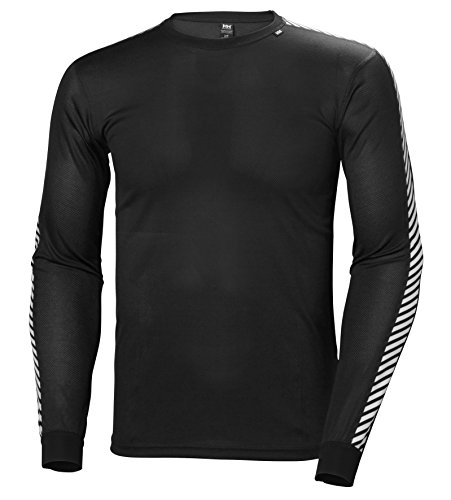
Best Trade-Proven Option: Helly Hansen HH Lifa Stripe Crew
Helly Hansen’s Lifa fabric has been the standard base layer on Scandinavian and UK sites for a long time, and the reason it’s stuck around is that it does the wicking job without the tight compression fit – it’s a more traditional, slightly looser cut that a lot of tradespeople simply find more comfortable to wear all day under other layers.
It’s a genuine workhorse rather than an athletic garment repurposed for site use, which shows in small details like a longer body length that stays tucked in when you’re reaching or bending. If compression fit isn’t your thing, start here.

Best for Static Outdoor Work: Berghaus 24/7 Half-Zip Baselayer
The half-zip is the whole reason to pick this one. On a job where you’re moving between properly cold, exposed standing-around and then a burst of hard graft, being able to drop the zip and vent heat without stripping a layer off entirely is genuinely useful – roofers, groundworkers and anyone on exposed scaffold in winter will get the most from it.
It’s a slightly heavier fabric than the compression options here, which trades a bit of packability for warmth. For anyone standing still in the cold more than they’re moving, that trade is worth making.

Best Budget Pick: Mountain Warehouse Talus Isotherm Base Layer
At under £15 this undercuts everything else here significantly, and it doesn’t feel like a false economy – the reviews reflect a genuinely solid, if less technical, product that does the basic wicking job well. It won’t have the fine-tuned fit or the fabric technology of the Under Armour or Helly Hansen options, but for someone who wants two or three spares in rotation without spending £100, it’s the sensible way to do that.
Buy two so you’ve always got a dry one, which matters more for warmth over a week than any single feature of a pricier garment.

At a Glance – Thermal Base Layers Compared
Base layer | Fit | Best for | Approx. price |
Under Armour ColdGear Comp Mock | Compression | Best all-round wicking performance | £45 |
Helly Hansen HH Lifa Stripe Crew | Regular | All-day comfort, trade-proven fabric | £28 |
Berghaus 24/7 Half-Zip Baselayer | Regular | Static outdoor work, needs ventilation | £28 |
Mountain Warehouse Talus Isotherm | Regular | Budget, buying spares | £15 |
Buyer’s Guide – What Actually Matters
Weight Should Match the Job, Not the Weather Forecast
A lightweight base layer suits high-output work like carrying, digging and climbing, where you’ll overheat in anything thicker regardless of the temperature outside. A midweight or heavyweight layer suits standing-around trades – surveying, waiting on deliveries, exposed scaffold work in genuinely cold conditions. Buying the wrong weight for your actual activity level is the single most common mistake.
Merino Wool vs Synthetic
Merino wool base layers, which cost more than the synthetic options above, have a genuine edge on odour control over multiple wears and feel less clammy against the skin. Synthetics wick moisture just as well or better and cost significantly less, but need washing more often to stay fresh. For most trade budgets, synthetic is the practical choice; merino earns its price if you’re regularly away from a washing machine.
Fit Changes Performance, Not Just Comfort
A base layer that’s too loose creates air gaps where sweat sits instead of wicking to the surface, which undermines the entire point of the garment. It should sit close to the skin without restricting movement – compression is one way to achieve that, but a well-cut regular fit does the job too. Baggy is the mistake to avoid.
Wash It Properly or It Stops Working
Fabric softener coats synthetic fibres and kills the wicking performance over time, which is a genuinely common way people end up thinking a good base layer ‘stopped working’. Wash on a cool cycle without softener and it’ll keep performing for years.
FAQs
Should I wear a base layer under my existing thermal jacket?
Yes – a base layer and an insulated outer jacket do different jobs and work best together. The base layer manages moisture against your skin; the jacket traps warm air. Skipping the base layer and relying on the jacket alone is why people still feel cold and clammy in expensive outerwear.
Is compression fit uncomfortable for a full working day?
Most people adjust within a couple of wears and find it disappears under other layers, but it’s genuinely not for everyone. If you’re unsure, start with a regular-fit option like the Helly Hansen or Berghaus rather than committing to compression first.
Can I wear the same base layer two days running?
You can, but a damp base layer loses most of its wicking benefit and takes longer than you’d think to fully dry overnight in a cold van or house. Two or three in rotation is worth the modest extra cost, which is exactly why the budget Mountain Warehouse option earns its place here.
Do I need a long-sleeve or short-sleeve base layer?
For genuine winter trade work, long-sleeve is the sensible default since your arms lose heat fast when exposed. Short-sleeve base layers suit milder shoulder-season work or as an extra layer under a long-sleeve top on the coldest days.
The Verdict
Buy the Under Armour ColdGear Compression Mock if you want the best all-round performance and don’t mind a close fit. Buy the Helly Hansen Lifa if you’d rather have a looser, trade-proven cut. Add the Berghaus half-zip if your work is more standing-around than moving, and pick up a couple of the Mountain Warehouse budget tops so you’ve always got a dry one ready.
Prices correct at time of writing and vary by size and colour on Amazon UK.